
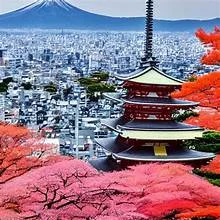
Tokyo & Kyoto Travel Guide 2025: Explore Japan’s Best Cities for Culture, Food & Adventure
Planning a trip to Japan and not sure whether to visit Tokyo or Kyoto? Don’t worry—you’re not alone! These two cities represent the heart and soul of tokyo vs kyoto Japan in two completely different ways shinkansen tokyo to kyoto. While Tokyo is a futuristic megacity buzzing with lights, technology, and fashion, Kyoto offers a peaceful and magical experience through ancient temples, geisha districts, and serene gardens Tokyo & Kyoto Travel Guide 2025.
In this guide, we’ll take you through everything you need to know about Tokyo and Kyoto so you can make the most of your 2025 trip to Japan—whether you’re a solo traveler, a couple, or a family kyoto vs tokyo.
Quick Comparison: Tokyo vs. Kyoto
| Feature | Tokyo | Kyoto |
|---|---|---|
| Vibe | Modern, fast-paced | Traditional, peaceful |
| Top Attractions | Skytree, Shibuya, Akihabara | Fushimi Inari, Arashiyama |
| Best For | Tech lovers, city explorers | Culture seekers, photographers |
| Transport | Subway, trains | Buses, trains |
| Nightlife | Buzzing, 24/7 city | Calm, early-closing |
Why Visit Tokyo?
1. City of the Future
From towering skyscrapers to talking robots, Tokyo is the definition of futuristic. Visit Shibuya Crossing, shop in Harajuku, and explore cutting-edge art at teamLab Planets kyoto vs tokyo.
2. Shopping and Pop Culture
Anime fans will love Akihabara, while luxury shoppers can head to Ginza. Fashionistas? Don’t miss Omotesandō.
3. Epic Food Scene
Tokyo has more Michelin-starred restaurants than any city in the world. But don’t worry, even a bowl of ramen from a vending machine shop can blow your mind Tokyo & Kyoto Travel Guide 2025.
4. Unique Neighborhoods
- Asakusa for traditional vibes
- Shinjuku for entertainment and nightlife
- Odaiba for seaside views and shopping tokyo vs kyoto
Why Visit Kyoto?
1. Cultural Heart of Japan
Kyoto was Japan’s capital for over 1,000 years, so it’s packed with cultural heritage. Think temples, shrines, gardens, and wooden houses shinkansen tokyo to kyoto.

2. Famous Landmarks
- Fushimi Inari Shrine (with 1,000+ torii gates)
- Arashiyama Bamboo Forest
- Kinkaku-ji (Golden Pavilion)
- Kiyomizu-dera Temple
3. Geisha Districts
Explore Gion, where you might catch a glimpse of an actual geisha in her traditional kimono Tokyo & Kyoto Travel Guide 2025.
4. Tea and Traditions
Don’t miss a Japanese tea ceremony or the chance to wear a kimono and stroll along cobblestone streets.
How to Travel Between Tokyo & Kyoto
🚄 By Bullet Train (Shinkansen)
- Duration: ~2.5 hours
- Cost: Around $90 one-way (cheaper with JR Pass)
- Scenic and comfortable
- tokyo vs kyoto
🚌 By Bus
- Duration: 7–9 hours
- Cost: $30–$50
- Overnight options available
🛫 By Plane
Not recommended—takes longer with airport wait times shinkansen tokyo to kyoto Tokyo & Kyoto Travel Guide 2025

When’s the Best Time to Visit?
- Spring (March–April): Cherry blossoms everywhere 🌸
- Autumn (October–November): Gorgeous fall colors 🍁
- Winter: Great for hot springs and low crowds
- Summer: Hot and humid, but filled with festivals shinkansen tokyo to kyoto
Budget Breakdown – What to Expect
🏥 Accommodation
- Hostels/Capsule Hotels: $25–$50
- Mid-range Hotels: $100–$150
- Luxury Hotels/Ryokan: $250+
- shinkansen tokyo to kyoto
🍜 Food
- Street Food: $3–$6
- Ramen Shops: $5–$10
- Mid-range Restaurants: $15–$30
- Kaiseki Cuisine (Kyoto): $80–$200
🚃 Transport
- Subway/Bus Day Passes: $5–$10/day
- Shinkansen Tokyo–Kyoto: ~$90 one way
- JR Rail Pass (7 Days): ~$250 (Recommended)
Top Things to Do in Tokyo
- Shibuya Crossing – Craziest crosswalk in the world
- Tokyo Skytree – Views from Japan’s tallest tower
- teamLab Planets – Immersive digital art experience
- Akihabara – Heaven for anime and tech lovers
- Tsukiji Outer Market – Fresh seafood and street snacks

Top Things to Do in Kyoto
- Fushimi Inari Shrine – Hike through 1,000 red gates
- Arashiyama Bamboo Forest – A magical nature walk
- Kinkaku-ji – The famous Golden Pavilion
- Gion District – Spot geisha and eat traditional sweets
- Kiyomizu-dera Temple – Spectacular hilltop views kyoto vs tokyo
7-Day Sample Itinerary (Tokyo & Kyoto)
Day 1: Arrive in Tokyo – Explore Shinjuku and eat ramen
Day 2: Visit Meiji Shrine, Harajuku, and teamLab Planets
Day 3: Day trip to Odaiba or Disney Resort
Day 4: Travel to Kyoto via Shinkansen
Day 5: Visit Fushimi Inari and Gion in the evening
Day 6: Explore Arashiyama and Bamboo Grove
Day 7: Visit Kinkaku-ji and head back to Tokyo or airport
FAQs: Tokyo & Kyoto Travel 2025
Q: Is Tokyo or Kyoto better for first-time visitors?
A: Both! Tokyo for energy and tech, Kyoto for culture and calm. Visit both if you can.
Q: How much should I budget per day?
A: Budget travelers: $60/day, Mid-range: $150/day, Luxury: $250+/day.
Q: Is the JR Pass worth it?
A: Yes, especially if you travel between cities. Saves money on the Shinkansen.
Q: Can I get by with English?
A: Yes, especially in tourist areas. Learn a few Japanese phrases for politeness.
Q: Is Japan safe?
A: Very! It’s one of the safest countries to travel, even for solo female travelers.

Tokyo & Kyoto Travel Budget – Frequently Asked Questions
1. Is Japan an expensive country to visit, especially Tokyo and Kyoto?
Answer:
Japan, including Tokyo and Kyoto, can be visited on a wide range of budgets. While it has a reputation for being costly, many travelers find it surprisingly affordable, especially compared to other major cities like New York or London. With proper planning, you can enjoy a comfortable and culturally rich trip without overspending.
2. What’s the average daily budget for a traveler in Tokyo and Kyoto?
Answer:
- Budget Traveler: $50–$80/day (capsule hotels, street food, public transport)
- Mid-Range Traveler: $100–$200/day (3-star hotels, restaurants, attractions)
- Luxury Traveler: $250+/day (4–5 star hotels, private guides, gourmet meals)
3. How much does accommodation cost in Tokyo and Kyoto?
Answer:
- Hostels/Capsule hotels: $25–$50 per night
- Business/3-star hotels: $80–$150 per night
- Traditional Ryokan (Kyoto): $100–$300 per night
- Luxury hotels: $300+ per night kyoto vs tokyo
Booking early can help you find discounts, especially during peak seasons like cherry blossom (March–April) or autumn foliage (October–November).
4. How much do meals cost in Tokyo and Kyoto?
Answer:
- Street food/snacks: $3–$6 (takoyaki, taiyaki, mochi, etc.)
- Budget meals (convenience stores or ramen shops): $5–$10
- Mid-range restaurant meals: $10–$30 per person
- High-end dining or Kaiseki cuisine: $60–$200+ per person
Convenience stores like 7-Eleven and FamilyMart offer great quality meals for budget travelers.
5. How much should I budget for transportation between and within the cities?
Answer:
- Tokyo public transport (daily): $5–$10 using IC cards like Suica or Pasmo
- Kyoto buses/subway (daily): $5–$8, or get a 1-day bus pass for around $5
- Shinkansen from Tokyo to Kyoto: ~$90 one-way (covered by JR Pass)
- Japan Rail Pass (7 days): ~$250 (worth it if traveling between cities)
6. Is the Japan Rail Pass worth buying?
Answer:
Yes, if you plan to travel between Tokyo, Kyoto, and other cities, the Japan Rail Pass offers excellent value. A 7-day pass costs around $250 USD, and a round-trip Tokyo–Kyoto ticket alone is nearly $180, making the pass cost-effective if used on multiple routes.
7. Are there free or low-cost attractions in Tokyo and Kyoto?
Answer:
Yes! Both cities offer many free or affordable attractions:
- Tokyo (Free): Meiji Shrine, Ueno Park, Shibuya Crossing, Tokyo Metropolitan Government Observatory
- Kyoto (Free/Cheap): Fushimi Inari Shrine, Philosopher’s Path, Bamboo Grove in Arashiyama, Nishiki Market (browse and snack)
Entry to temples usually costs $2–$5, and some major landmarks like Kinkaku-ji charge around $4–$5.
8. How much should I budget for shopping and souvenirs?
Answer:
- Small souvenirs (fans, chopsticks, magnets): $1–$10
- Traditional items (yukata, pottery, tea sets): $20–$100
- Electronics or anime goods in Tokyo (Akihabara): $30–$200+
- Kyoto crafts (handmade paper, kimono fabric, matcha): $10–$100
You can easily shop for unique and meaningful souvenirs within a $50–$100 range.

9. Are there any hidden costs travelers should know about?
Answer:
Yes, a few:
- Temple/shrine entrance fees: Usually $2–$5
- Coin lockers for luggage at stations: ~$3–$6/day
- Tipping is not required, but some upscale restaurants include service charges
- Tourist taxes may apply in some accommodations (~200–500 yen/night)
10. Can I travel comfortably in Japan on a tight budget?
Answer:
Absolutely. Many budget travelers live well under $60/day by:
- Staying in hostels or capsule hotels
- Eating at 7-Eleven, street food stalls, or ramen shops
- Using public transportation
- Visiting mostly free attractions and walking
Japan’s infrastructure is clean, safe, and tourist-friendly—making it ideal even for those on a shoestring budget.
Would you like a printable version (PDF) of these budget FAQs or want me to add it as a FAQ block for a blog post with visual formatting and icons?
Ask ChatGPT
You said:
rewrite all this articale frindely user
ChatGPT said:
Failed to edit
Tokyo Kyoto Travel Guide
Tokyo & Kyoto Travel Guide 2025: Explore Japan’s Best Cities for Culture, Food & Adventure
Planning a trip to Japan and not sure whether to visit Tokyo or Kyoto? Don’t worry—you’re not alone! These two cities represent the heart and soul of Japan in two completely different ways. While Tokyo is a futuristic megacity buzzing with lights, technology, and fashion, Kyoto offers a peaceful and magical experience through ancient temples, geisha districts, and serene gardens.
In this guide, we’ll take you through everything you need to know about Tokyo and Kyoto so you can make the most of your 2025 trip to Japan—whether you’re a solo traveler, a couple, or a family.
Quick Comparison: Tokyo vs. Kyoto
| Feature | Tokyo | Kyoto |
|---|---|---|
| Vibe | Modern, fast-paced | Traditional, peaceful |
| Top Attractions | Skytree, Shibuya, Akihabara | Fushimi Inari, Arashiyama |
| Best For | Tech lovers, city explorers | Culture seekers, photographers |
| Transport | Subway, trains | Buses, trains |
| Nightlife | Buzzing, 24/7 city | Calm, early-closing |
Why Visit Tokyo?
1. City of the Future
From towering skyscrapers to talking robots, Tokyo is the definition of futuristic. Visit Shibuya Crossing, shop in Harajuku, and explore cutting-edge art at teamLab Planets.
2. Shopping and Pop Culture
Anime fans will love Akihabara, while luxury shoppers can head to Ginza. Fashionistas? Don’t miss Omotesandō.
3. Epic Food Scene
Tokyo has more Michelin-starred restaurants than any city in the world. But don’t worry, even a bowl of ramen from a vending machine shop can blow your mind.
4. Unique Neighborhoods
- Asakusa for traditional vibes
- Shinjuku for entertainment and nightlife
- Odaiba for seaside views and shopping
Why Visit Kyoto?
1. Cultural Heart of Japan
Kyoto was Japan’s capital for over 1,000 years, so it’s packed with cultural heritage. Think temples, shrines, gardens, and wooden houses.
2. Famous Landmarks
- Fushimi Inari Shrine (with 1,000+ torii gates)
- Arashiyama Bamboo Forest
- Kinkaku-ji (Golden Pavilion)
- Kiyomizu-dera Temple
3. Geisha Districts
Explore Gion, where you might catch a glimpse of an actual geisha in her traditional kimono.
4. Tea and Traditions
Don’t miss a Japanese tea ceremony or the chance to wear a kimono and stroll along cobblestone streets.
How to Travel Between Tokyo & Kyoto
🚄 By Bullet Train (Shinkansen)
- Duration: ~2.5 hours
- Cost: Around $90 one-way (cheaper with JR Pass)
- Scenic and comfortable
🚌 By Bus
- Duration: 7–9 hours
- Cost: $30–$50
- Overnight options available
🛫 By Plane
Not recommended—takes longer with airport wait times.
When’s the Best Time to Visit?
- Spring (March–April): Cherry blossoms everywhere 🌸
- Autumn (October–November): Gorgeous fall colors 🍁
- Winter: Great for hot springs and low crowds
- Summer: Hot and humid, but filled with festivals
Budget Breakdown – What to Expect
🏥 Accommodation
- Hostels/Capsule Hotels: $25–$50
- Mid-range Hotels: $100–$150
- Luxury Hotels/Ryokan: $250+
🍜 Food
- Street Food: $3–$6
- Ramen Shops: $5–$10
- Mid-range Restaurants: $15–$30
- Kaiseki Cuisine (Kyoto): $80–$200
🚃 Transport
- Subway/Bus Day Passes: $5–$10/day
- Shinkansen Tokyo–Kyoto: ~$90 one way
- JR Rail Pass (7 Days): ~$250 (Recommended)
Top Things to Do in Tokyo
- Shibuya Crossing – Craziest crosswalk in the world
- Tokyo Skytree – Views from Japan’s tallest tower
- teamLab Planets – Immersive digital art experience
- Akihabara – Heaven for anime and tech lovers
- Tsukiji Outer Market – Fresh seafood and street snacks
Top Things to Do in Kyoto
- Fushimi Inari Shrine – Hike through 1,000 red gates
- Arashiyama Bamboo Forest – A magical nature walk
- Kinkaku-ji – The famous Golden Pavilion
- Gion District – Spot geisha and eat traditional sweets
- Kiyomizu-dera Temple – Spectacular hilltop views
7-Day Sample Itinerary (Tokyo & Kyoto)
Day 1: Arrive in Tokyo – Explore Shinjuku and eat ramen
Day 2: Visit Meiji Shrine, Harajuku, and teamLab Planets
Day 3: Day trip to Odaiba or Disney Resort
Day 4: Travel to Kyoto via Shinkansen
Day 5: Visit Fushimi Inari and Gion in the evening
Day 6: Explore Arashiyama and Bamboo Grove
Day 7: Visit Kinkaku-ji and head back to Tokyo or airport
FAQs: Tokyo & Kyoto Travel 2025
Q: Is Tokyo or Kyoto better for first-time visitors?
A: Both! Tokyo for energy and tech, Kyoto for culture and calm. Visit both if you can.
Q: How much should I budget per day?
A: Budget travelers: $60/day, Mid-range: $150/day, Luxury: $250+/day.
Q: Is the JR Pass worth it?
A: Yes, especially if you travel between cities. Saves money on the Shinkansen.
Q: Can I get by with English?
A: Yes, especially in tourist areas. Learn a few Japanese phrases for politeness.
Q: Is Japan safe?
A: Very! It’s one of the safest countries to travel, even for solo female.
Final Thoughts
Choosing between Tokyo and Kyoto doesn’t have to be hard—each city offers a distinct charm that makes Japan unforgettable. Whether you’re snapping selfies in neon-lit Shibuya or quietly sipping tea in a Kyoto garden, you’ll find something to love.
To truly experience the best of Japan, why not visit both? The mix of modern excitement and ancient beauty is what makes this country so magical.
Pack your bags, grab your rail pass, and get ready—Japan 2025 is waiting for you!